


The Andalusi heritage can still be seen today in many of the elements that make up the culture and traditions of Almería, whether tangible or intangible. The involvement and potential synergies emerging among its stakeholders are fundamental to addressing the various current challenges (depopulation, rural exodus, climate change, heritage conservation…) and the development of the region (economic, social, cultural…). FUNCI is pleased to be able to offer the Med-O-Med international cooperation platform, Cultural Landscapes of the Mediterranean and the Middle East, as a mediating framework for achieving these objectives, creating a sort of regional network within this territory.
A visit to the Villa María garden-orchard: the Alpujarra region of Almería
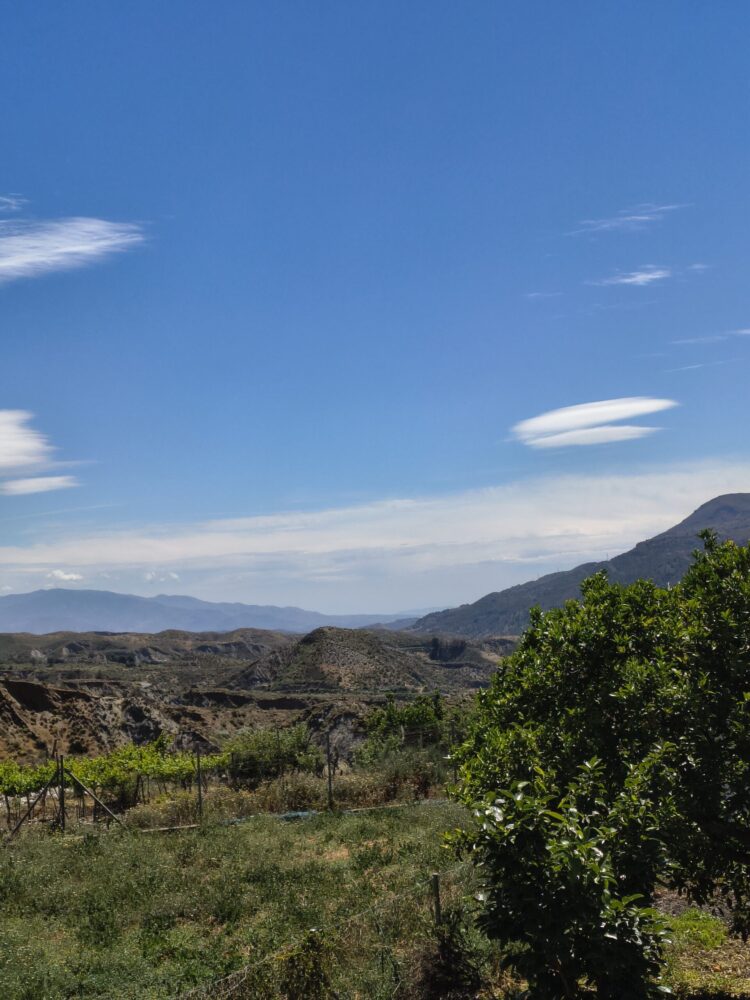
On the 4th of that month, we had the pleasure of visiting the Villa María garden-orchard, located in the municipality of Canjáyar, in the heart of the Alpujarra region of Almería. This spot is notable for its distinctive landscape, dotted with fields (Arabic: ḥaẓẓa / ḥaẓẓa al-ard), terraces (Arabic: banqāl) and balates (Arabic: barṭa) – together, these form man-made terraces enclosed by stone walls and used for planting – of Islamic heritage.
Despite the alterations made to this garden-orchard during the 19th century, its layout reflects the agricultural landscape of Al-Andalus in the region. In fact, it still retains the structure of the farmhouse (diyār al-bādiya) and the ‘garden of excellence’ (aḥsan al-basātīn), described by the Almerian agronomist Ibn Luyūn (13th–14th centuries) in his treatise on agriculture. The estate dates back several centuries, as evidenced by certain specimens of century-old plants present in the garden. In 2025, we signed a collaboration agreement with the Villa María Garden-Orchard Association, which is revitalising this space, whilst it also became part of the Med-O-Med network with the aim of implementing initiatives for the safeguarding and promotion of this unique heritage. Furthermore, it has been included in the inventory of ‘Centres of Plant Diversity’ in recognition of its work to preserve biodiversity, its social involvement in the area and its connection to Islamic heritage.
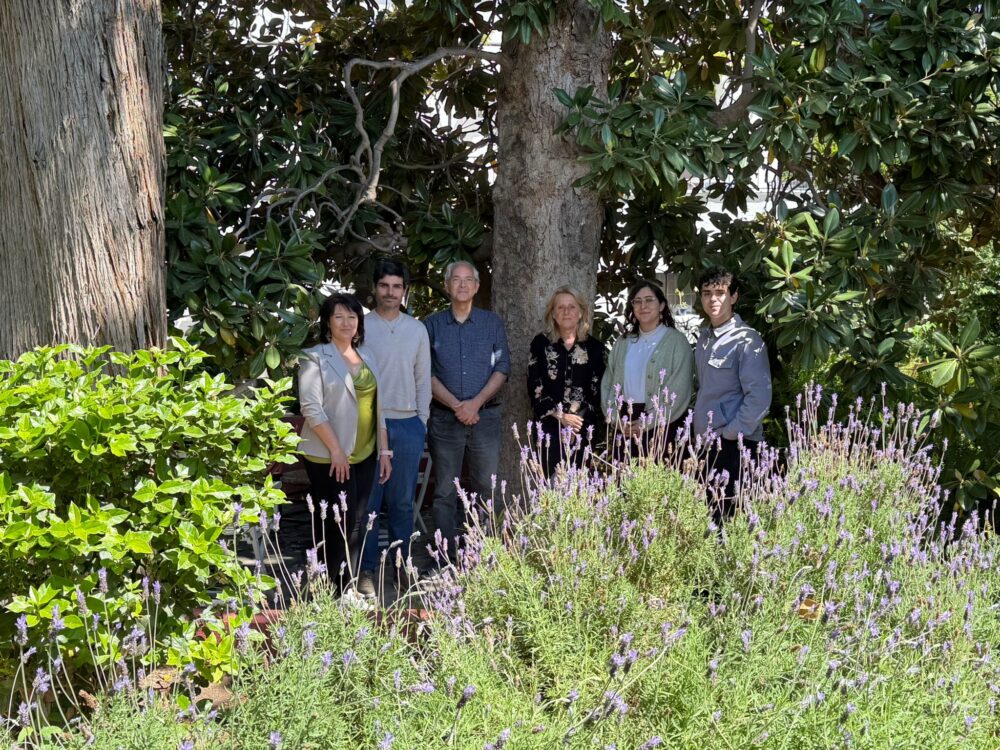
María Teresa Navarro, a senior lecturer at the University of Málaga, Joaquín García, an artist and cultural manager, and Joaquín Gaona, a historian, all members of the Villa María garden-orchard Association, welcomed us together with the mayor of Canjáyar, Antonia Urrutia.
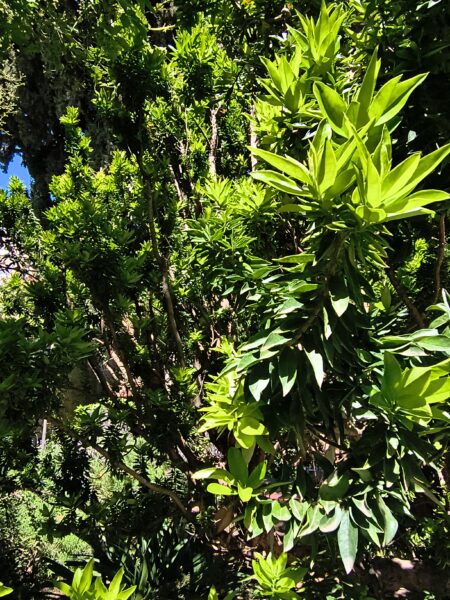
As well as being shown around the grounds and the kitchen garden, we were able to admire and enjoy specimens of Myrtus communis subsp. baetica that are several hundred years old; this plant was a key feature of medieval Andalusi gardens, but virtually disappeared from the Iberian Peninsula during the Modern Age.
Indeed, part of this partnership agreement aims to highlight, restore and study these myrtle trees, also known today as ‘Moorish myrtles’, a task that requires joint efforts from the various organisations involved. Furthermore, we had the opportunity to learn, from the association’s members, about both the municipality of Canjáyar and the traditional irrigation and farming systems of the Alpujarra region of Almería, through a visit to several sites in the area.
Partnership with the UAL Botanical Garden: a journey through Almería’s ecosystems
For this very reason, a partnership agreement was also signed earlier this year with the University of Almería (UAL), whose Botanical Garden (Centre for Research on Scientific Collections – CECOUAL) has been part of the Med-O-Med network since 2025 and has been included in its ‘Botanical Gardens’ inventory. The Botanical Garden, which comprises areas recreating environments from the natural regions of the province of Almería, is dedicated to the study, conservation and dissemination of flora, with a particular focus on species from arid and semi-arid ecosystems. Integrated into the university campus, it combines nature, architecture and educational function within an open, distributed space.
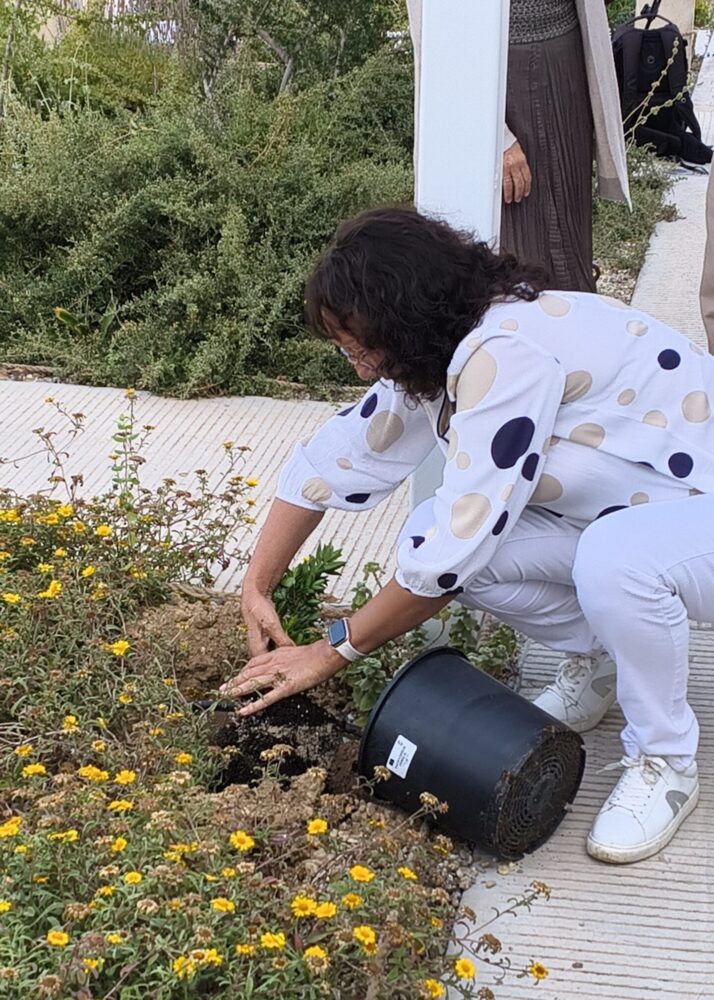
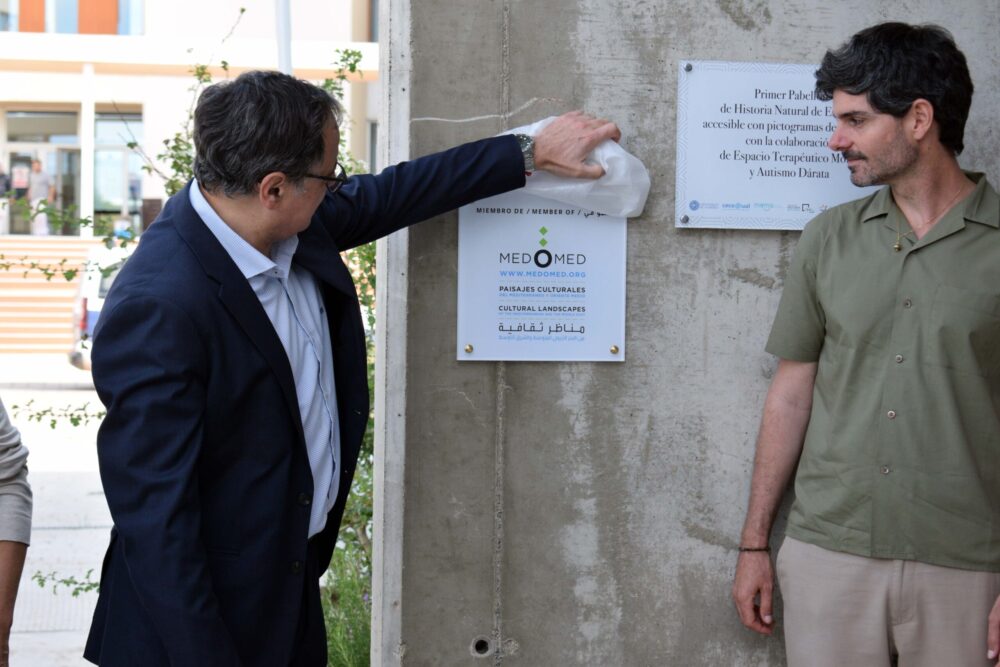
During this trip, on 5 May, we celebrated the partnership and agreement at the Natural History Pavilion of the University of Almería. There we were welcomed by both the university rector, José Céspedes, and the Pavilion team: its director, Juan Gisbert; the head of living collections, Esther Giménez; and the curator of the geology collections, Azucena Laguía. Also present were colleagues from the Villa María Garden-Orchard Association and the director of the Almunya del Sur Botanical Garden – a member of Med-O-Med – Carlos Collado. Following some opening remarks, two Moorish myrtles (Myrtus communis subsp. baetica), propagated from specimens from the Alpujarra, were symbolically planted to commemorate this partnership.
Later, we were able to hold a technical meeting to discuss possible future initiatives with these organisations. Regional links are being forged, and we hope to establish a sort of local network in Almería. Through this network, we hope to pool our efforts towards the conservation and safeguarding of their ecosystems and, in particular, the Islamic heritage within the landscape of the Alpujarra and other areas of the province of Almería—whether tangible or intangible—with the Moorish myrtle and its historical significance taking centre stage.
An oasis in the midst of a sea of plastic: Almunya del Sur
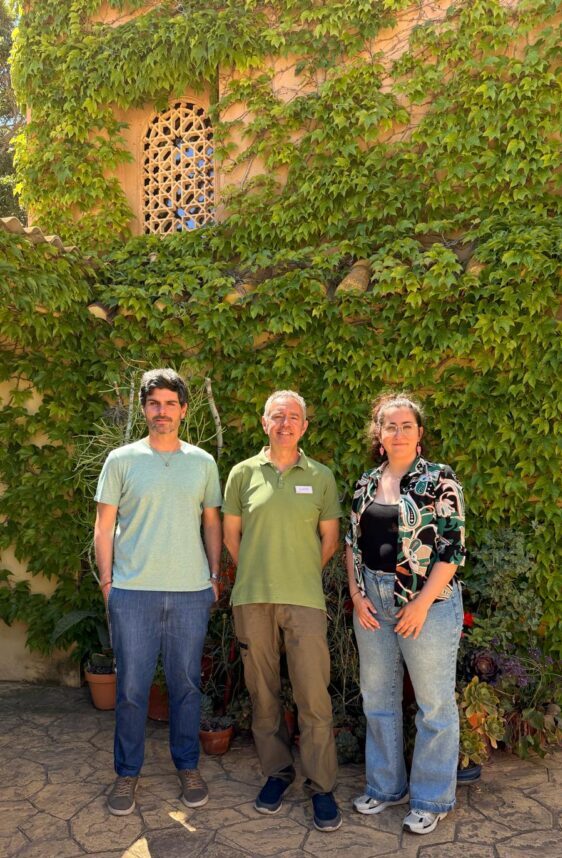
The following day, the delegation – comprising members of FUNCI, Villa María and Esther Giménez (UAL) – had the opportunity to be shown around the Almunya del Sur’s Andalusi-style garden and vegetable plot, covering some 2,500 square metres, by its director. It is a small oasis amidst the sea of plastic in El Ejido. The botanical garden opened its doors in 2016 and has since carried out important work in promoting botany and environmental awareness. It is home to over 2,000 species, including three variants of Myrtus communis: communis, tarentina and baetica. This allows visitors to appreciate the taxonomic differences between the various subspecies and to confirm the distinctive characteristics of baetica, which make it unmistakable.
Daily life in al-Marīya: The Andalusi Quarter Archaeological Site
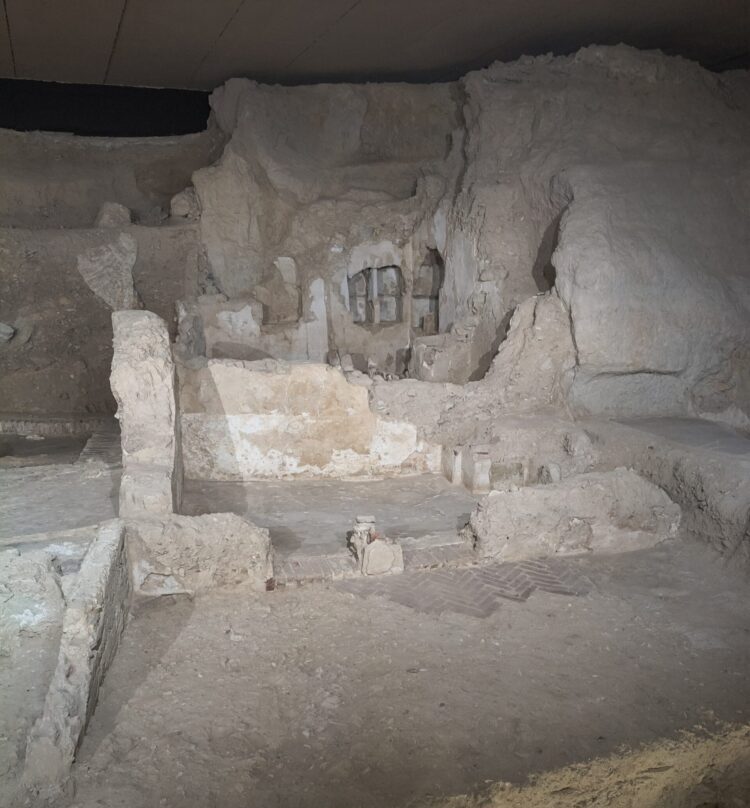
Just before heading back towards the centre of the peninsula, we visited the Andalusi Quarter Archaeological Site, situated at the foot of the Islamic citadel. Belén Alemán, the site’s director, guided us through the various rooms of the museum. This museum opened in 2023; however, the visible remains are the result of archaeological excavations carried out in 2014 and 2016, which brought to light a series of houses belonging to the medieval quarter, dating from the 11th to the 13th centuries. We were also able to enjoy a rich selection of archaeological finds (118 artefacts), which illustrate the lives of those who inhabited the ancient madīna of al-Marīya, as well as various interactive elements (virtual reality headsets, interactive games, projections, etc.); these allow the original appearance of the city’s medieval urban landscape to be reconstructed in a non-invasive way.
This fruitful journey highlights the impact that Islamic culture had on shaping the cultural and natural landscapes of Almería. Its traces can still be seen in traditional agricultural practices, historic irrigation systems, social organisation, the local lexicon, urban layout, artefacts and tools, landscaped or productive spaces, and the flora found in its ecosystems. The four institutions visited during these days bear witness to these facts. We hope that this experience will plant a seed – never has the expression been more apt – to elevate this legacy, through research, collaboration and outreach, to a pre-eminent position as a fundamental element for the social, economic, cultural and environmental development of the region.
This post is available in: