


“Living Matter. A tour of the Botany, Art and Memory of al-Andalus” is a temporary exhibition inaugurated at the National Archaeological Museum (Madrid) on 5 June, World Environment Day, and open to visitors until 11 October 2026. Organised by the Islamic Culture Foundation (FUNCI) and the National Archaeological Museum (MAN), the exhibition has received support from the Royal Botanical Garden, the Institute of History of the Spanish National Research Council (CSIC), the Torretes Biological Station — affiliated with the University of Alicante — and the Botanical Garden of Castilla-La Mancha, together with its Friends Association. It has also received support from the Medieval Appetites: plant foods in multicultural Iberia (500–1100 CE) project (European Research Council, Brussels, BE, GRANT_NUMBER: ERC-2021-AdG 101054883), led by Leonor Peña Chocarro (IH-CSIC).
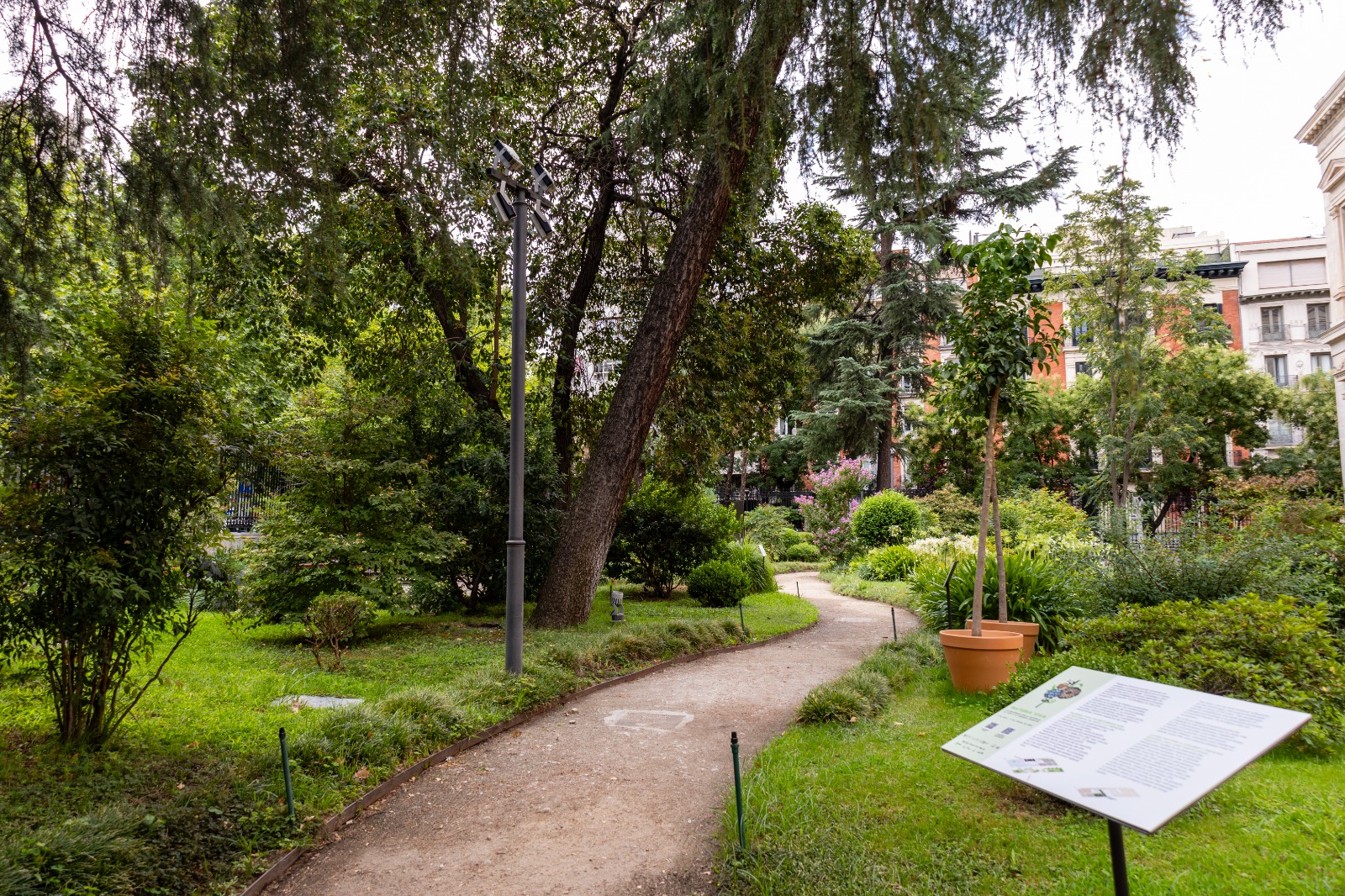
The exhibition explores the complexity of the landscapes of al-Andalus through a dual itinerary that runs through the Museum’s historic garden and its permanent collections relating to the Andalusi period and its continuities (Rooms 23 and 26). Through twelve plant species presented in dialogue with objects from the permanent collection, visitors are invited to discover the relationships established between human communities in medieval Iberia and the natural environments around them. The profound changes that took place brought with them new customs and ways of life in which plants played a varied and fundamental role. The result was the consolidation of a deeply rooted culture, traces of which have sometimes survived to the present day as intangible heritage. The exhibition explores several thematic sections that reflect this legacy, including agronomy and botany; urban and natural spaces; objects: representations and materialities; science and nature; sensations and aromas; and spirituality and nature.
The exhibition has also featured an outreach programme aimed at different audiences, including guided tours and educational workshops. In addition, several events have taken place, including a discussion bringing together researchers and science communicators working in botany, as well as a scientific conference addressing different perspectives related to this Andalusi legacy.
Guided Tours
Throughout the exhibition, a programme of guided tours has been offered to both general and family audiences. Visitors have been able to discover the twelve species planted in the historic garden, their different origins, uses and applications, as well as their relationship with selected objects in the museum’s permanent collection. In the gardens, and drawing on the treatises of Andalusi agronomists, visitors have explored the different realities of the plant species found in these medieval landscapes: native plants that were introduced into gardens and orchards, such as strawberry trees and bay laurels; species originating in Southeast Asia that were acclimatised to the Iberian Peninsula, such as bitter orange trees and lemon trees; and paradigmatic examples of the current recovery of biodiversity once present in the gardens of al-Andalus. These include the Moorish myrtle and heritage roses. The programme also included two tours with a Spanish Sign Language (LSE) interpreter, ensuring accessibility for diverse audiences.
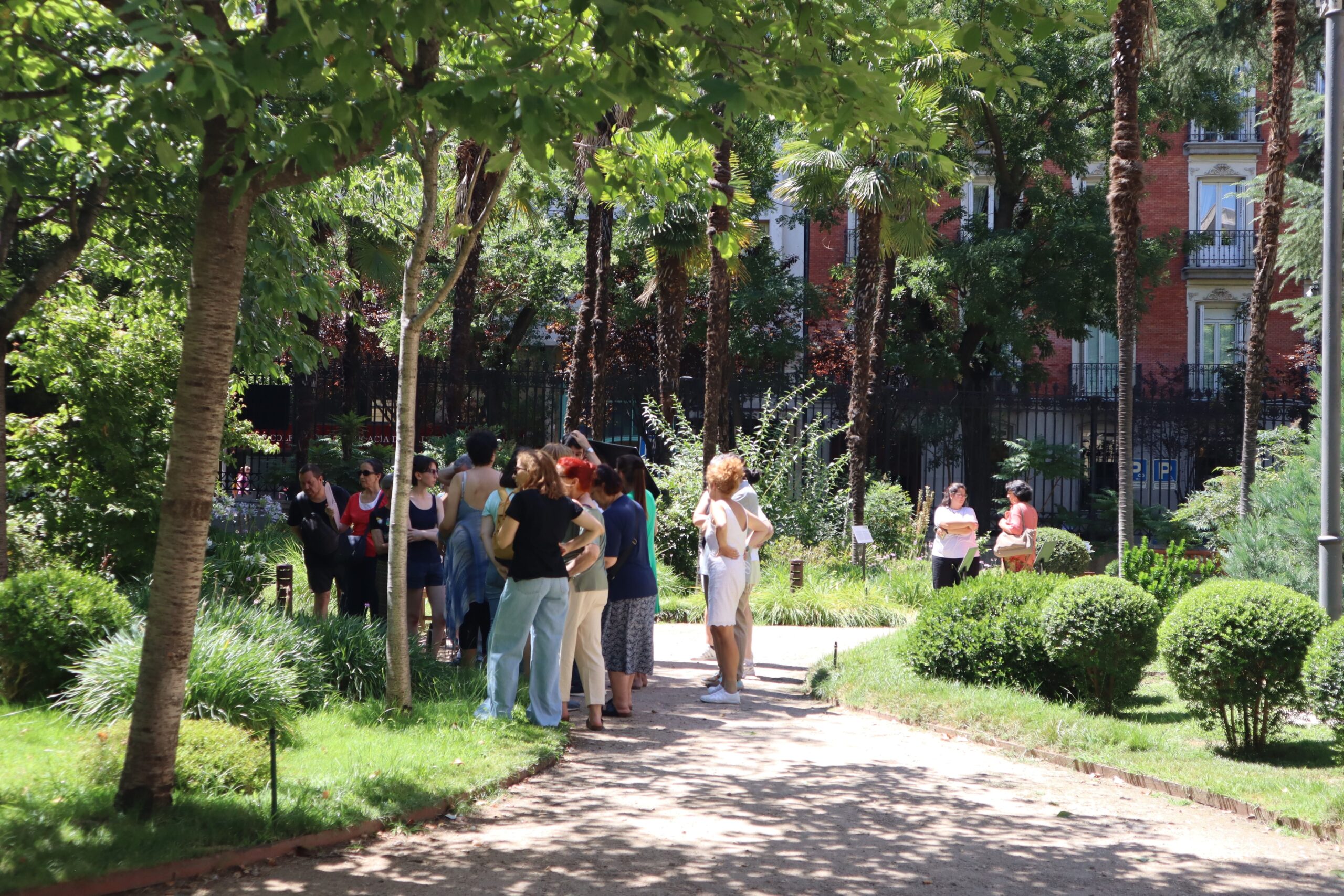
A combined tour format was also organised, incorporating visits to several of the institutions involved in the exhibition: the Archaeobiology Laboratory of the Institute of History (IH-CSIC), the Royal Botanical Garden (RJB-CSIC), with its “Andalusi Itinerary”, and the Living Matter exhibition itself at MAN. These visits allowed the public to explore the different areas of research connected to the exhibition.
Workshops
The diversity of the exhibition’s thematic areas was reflected in the different workshops held during these months: workshops on aromas, botanical printing and the propagation of Moorish myrtle through cuttings.
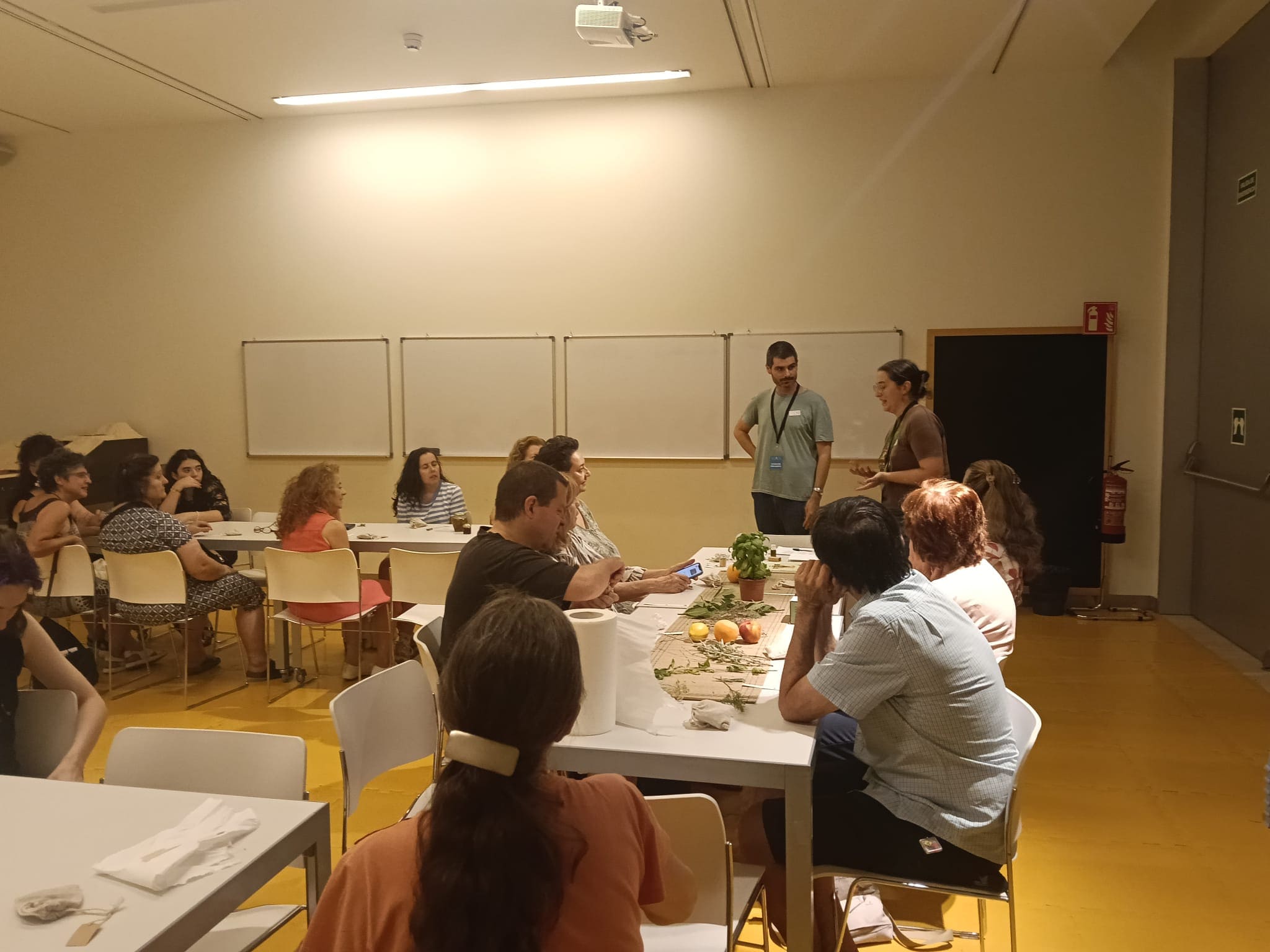
Aromas of al-Andalus. A Sensory Workshop was held in two sessions featuring a variety of olfactory materials — fresh and dried products, essences and oils — that evoke the scents that formed part of the daily lives of Andalusi communities. These did not simply perfume the air, but shaped ways of inhabiting the body and space, as they were present in domestic, agricultural, medicinal and spiritual practices. Participants explored the applications and uses of plant species within these landscapes.
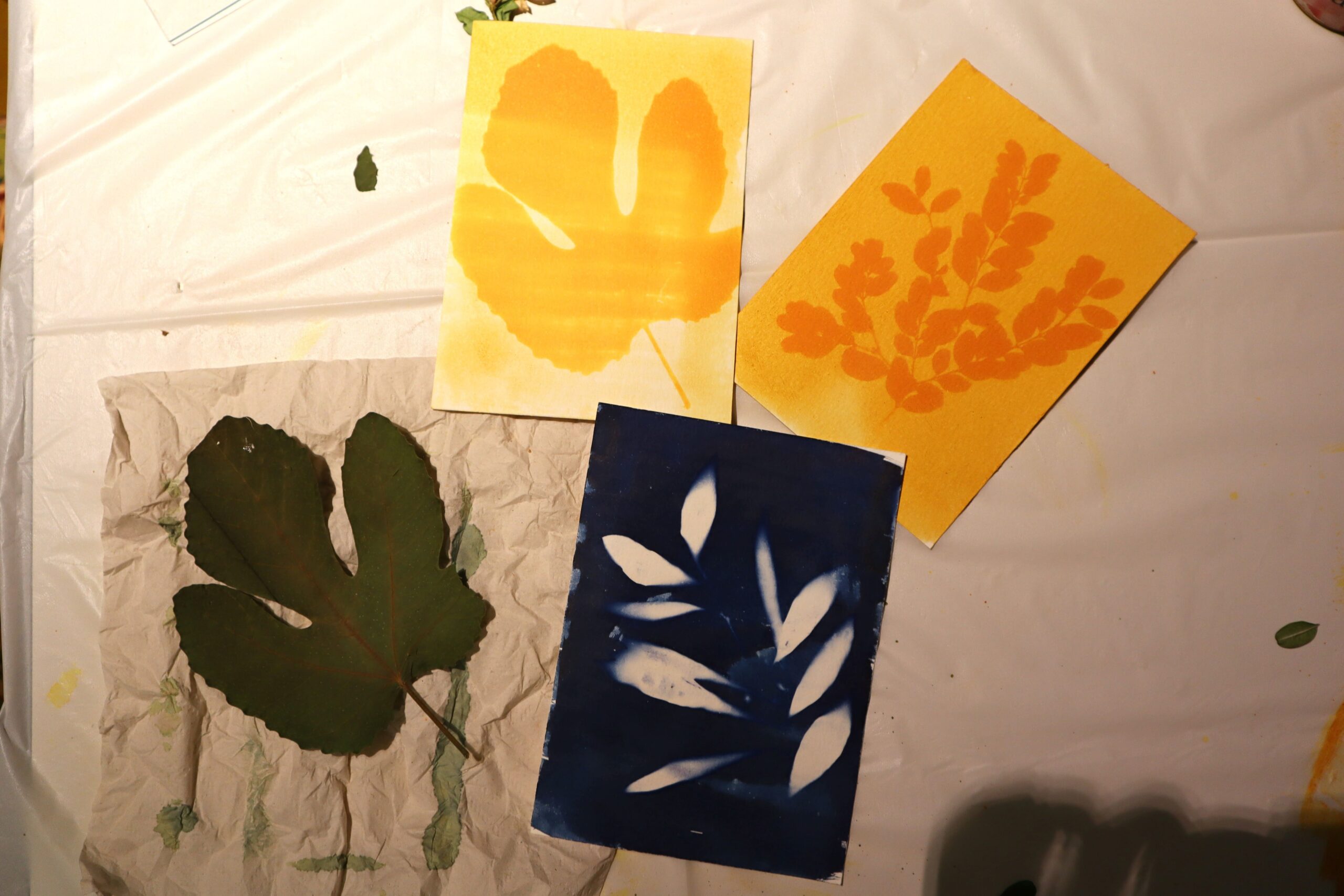
Revealing the Landscape. Botanical Printing Workshop focused on identifying different botanical species associated with the Andalusi tradition, using both a herbarium prepared for the activity and a visit to the garden. Through photographic reproduction techniques such as cyanotype and botanical printing techniques such as turmeric-based anthotype, participants reproduced the outlines of different parts of the plants. This resulted in a series of botanical plates that prompted reflections on the continued presence of these species in our everyday lives.
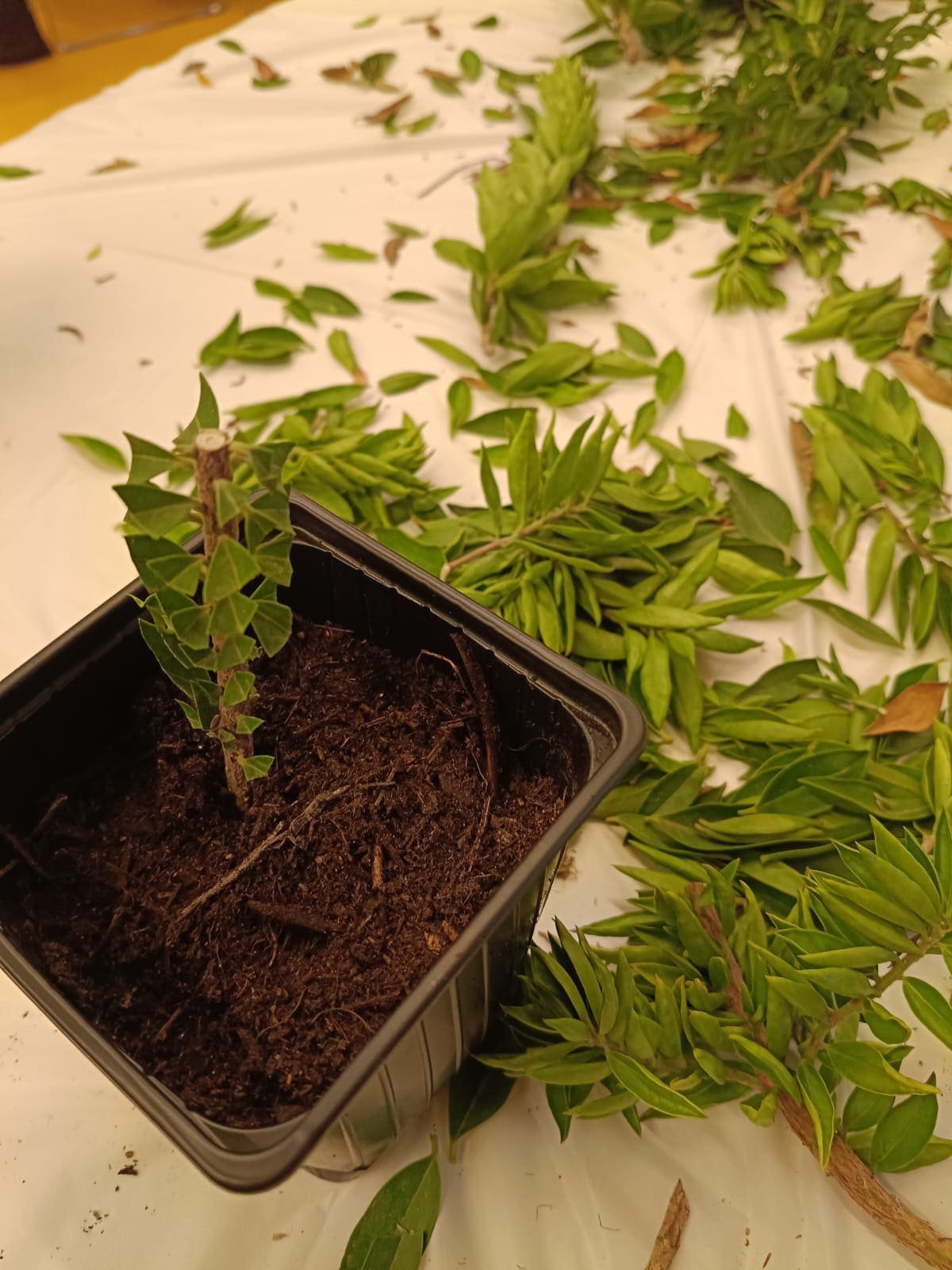
Moorish Myrtle. A Propagation Workshop offered participants the opportunity to learn the fundamentals of propagation by cuttings and how to care for a plant of great significance in al-Andalus, of which very few surviving specimens remain. This is the Moorish myrtle (Myrtus communis subsp. baetica), a variety of common myrtle highly valued by the Andalusis for its intense fragrance and vigorous growth. Participants were able to take home a small fragment of the botanical history of our cultural landscapes.
Roots of al-Andalus: Archaeology, Botany and Landscape Discussion
This event provided an open forum for discussion centred on the Andalusi garden and medieval agronomic knowledge. Four speakers from different fields took part: two from academia — botanist José Tito Rojo (University of Granada) and archaeologist Sergio Isabel Ludeña (FUNCI) — and two science communicators — biologist and ethnobotanist Aina S. Erice and gardener and researcher Eduardo Barba.
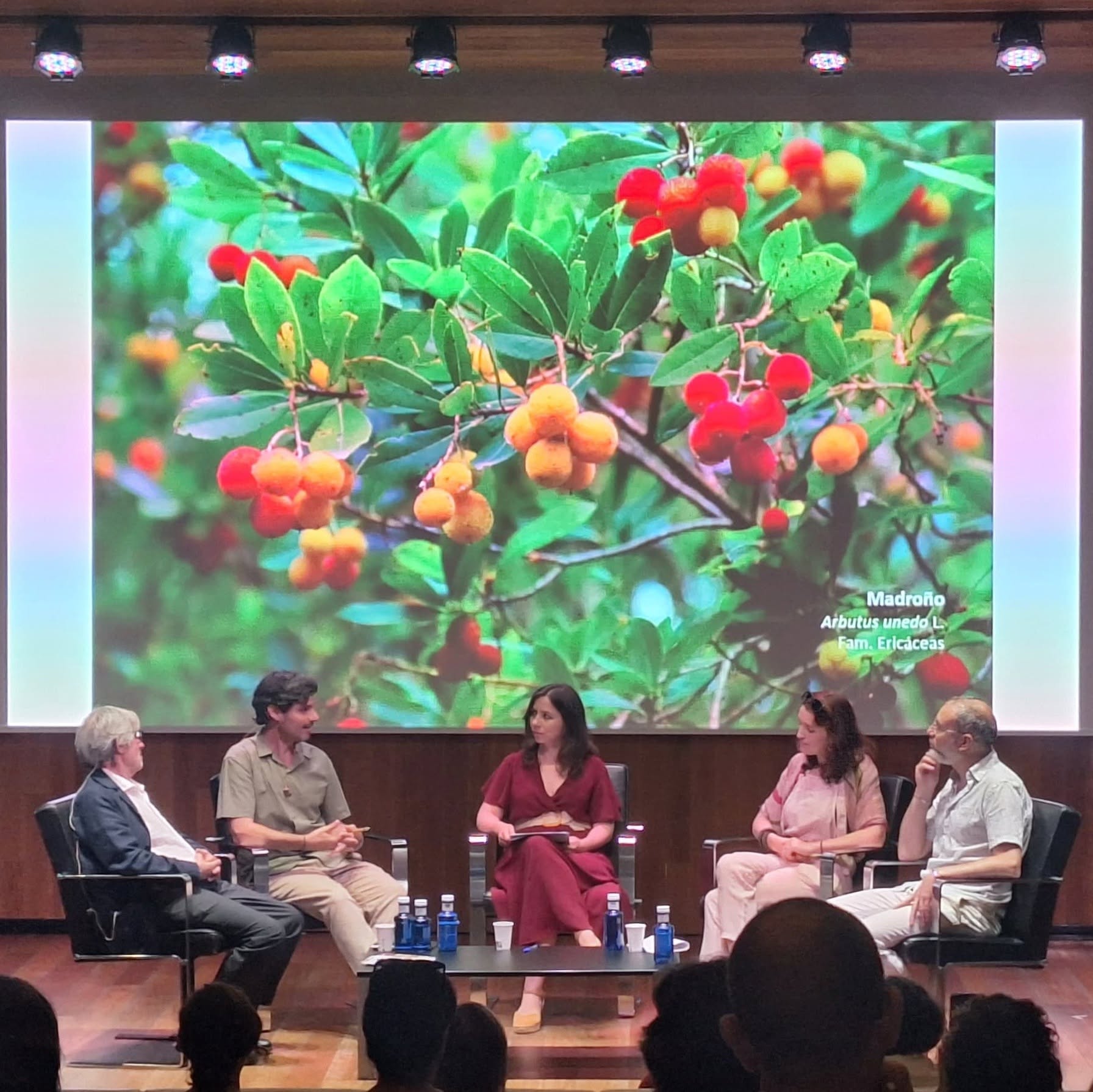
The discussion was structured around several thematic areas, including medieval landscape realities and their survival in the contemporary landscape; research methods in archaeobotany and ways of communicating specialised knowledge; and the material and intangible traces that have been handed down to us. Aromas, seeds, medieval texts, plant species and archaeological remains provided an opportunity to reflect on the profound mark left by Andalusi botany on the landscapes of the Iberian Peninsula.
The discussion can be viewed here.
Scientific Conference: Landscapes of al-Andalus. Natural Sciences and Andalusí Memory
This scientific conference offered an interdisciplinary reflection on the landscapes of al-Andalus as cultural heritage. Several sessions addressed dryland and irrigated landscapes, the recovery of Andalusi memory, and the natural sciences and applied knowledge of al-Andalus.
In the first session, Guillermo García-Contreras, Pedro Jiménez Castillo, José Luis Simón and José María Narganes discussed the concept of the Andalusi dryland landscape, moving away from its interpretation from a contemporary perspective. They also nuanced the concept of the Green Revolution commonly associated with Andalusi agronomy, emphasising instead an understanding of landscape change and transformation as processes.
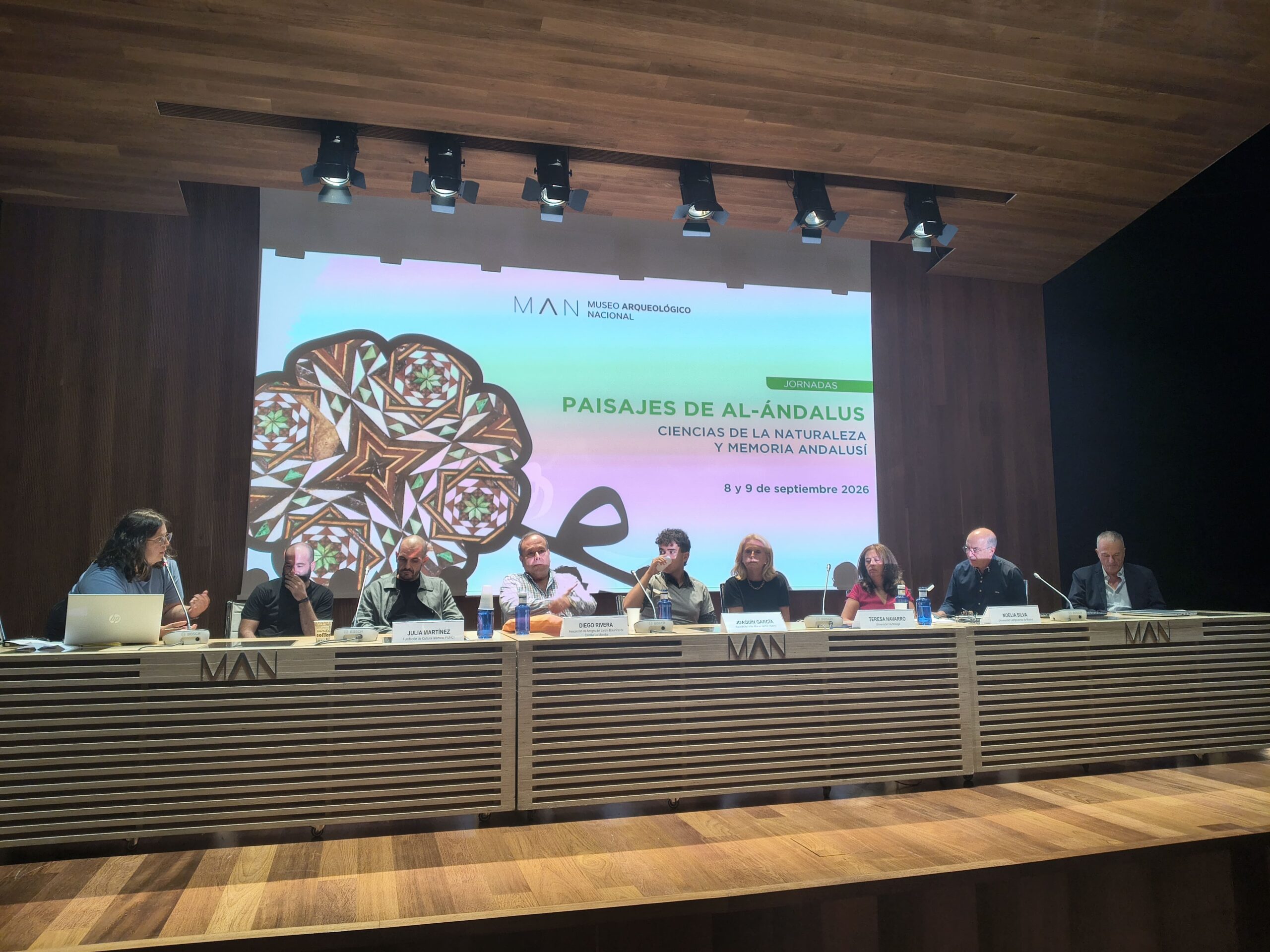
In the second session, Diego Rivera, Teresa Navarro and Joaquín García presented examples of living cultural heritage of Andalusi tradition. These included the recovery of old rose taxa in the province of Albacete and the presentation of the Villa María garden-orchard (Canjáyar, Almería) as a paradigmatic example of how a garden environment can be organised according to the principles of the Almerian botanist Ibn Luyūn. The site also preserves centuries-old specimens of Moorish myrtle, a highly aromatic plant cherished by Andalusi agronomists that was eradicated from the Iberian Peninsula and now survives in only a few specimens. The session concluded with Noelia Silva Santa Cruz, who discussed the use of perfumes and fragrances in courtly spaces, as well as the objects associated with these practices.
The third session featured a series of contributions on the natural sciences of al-Andalus. Ignacio Sánchez explored the figure of Dioscorides and his classical work De Materia Medica through the various translations produced in the medieval West. Marisa Barahona presented the particularities of Andalusi hydraulic technology and its connection with knowledge of the territory. Segundo Ríos, meanwhile, offered an overview of the survival of certain practices in contemporary cuisine that derive from Andalusi customs and traditions. Finally, Leonor Peña Chocarro presented recent advances in our understanding of Andalusi cultivation and diet through archaeobiological research.
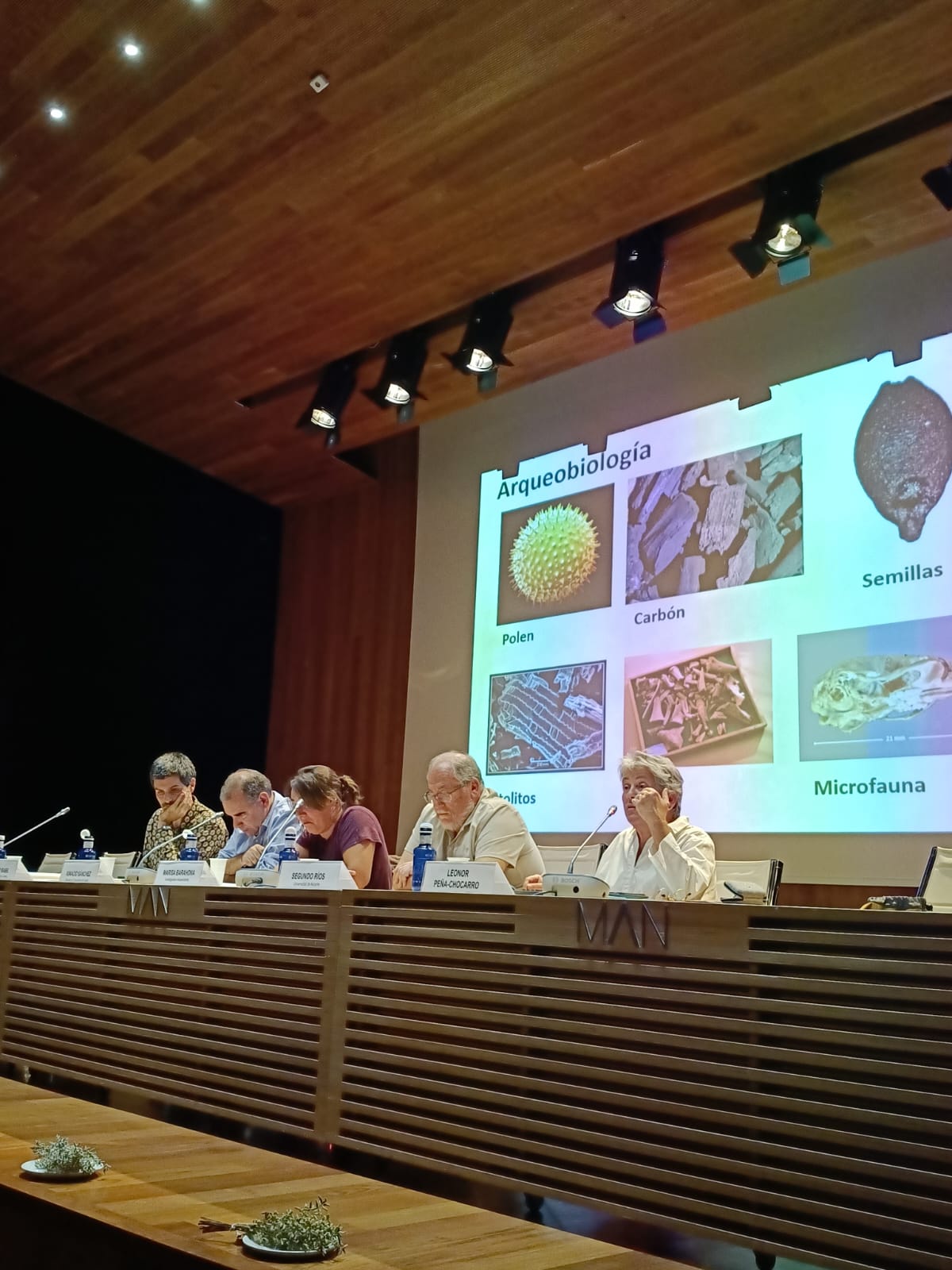
The scientific conference concluded with a round-table discussion involving professionals working in the management and musealisation of cultural heritage and Andalusi landscapes, including Felipe Castilla (Royal Botanical Garden, CSIC), Helena Lahoz (National Archaeological Museum), Sergio Isabel Ludeña (Islamic Culture Foundation), Tamara Buendía (Sephardic Museum) and Yolanda Casado (Spanish Cultural Heritage Institute), as well as Antonio Antequera (Ministry of Culture), both responsible for the National Cultural Landscapes Plan and the Cantarranas Charter for Historic Gardens.
The conference presentations can be viewed here.
Catalogue
The exhibition closes on 11 October, but the materials produced about the plants in the garden and the objects in the galleries will remain available on the National Archaeological Museum website. A catalogue is also currently being prepared, bringing together the objects featured in the exhibition and expanding on several of the themes explored in the show. It will be available at the museum shop, specialist bookshops and the Islamic Culture Foundation’s online shop.
Press Links:
RNE audio programme, Escapadas: https://www.rtve.es/play/audios/escapadas/escapadas-materia-viva/17151613/
El Diario de Madrid: https://www.eldiariodemadrid.es/articulo/cultura/museo-arqueologico-nacional-explora-herencia-vegetal-andalus-muestra-materia-viva/20260605140711132992.html
This post is available in: