


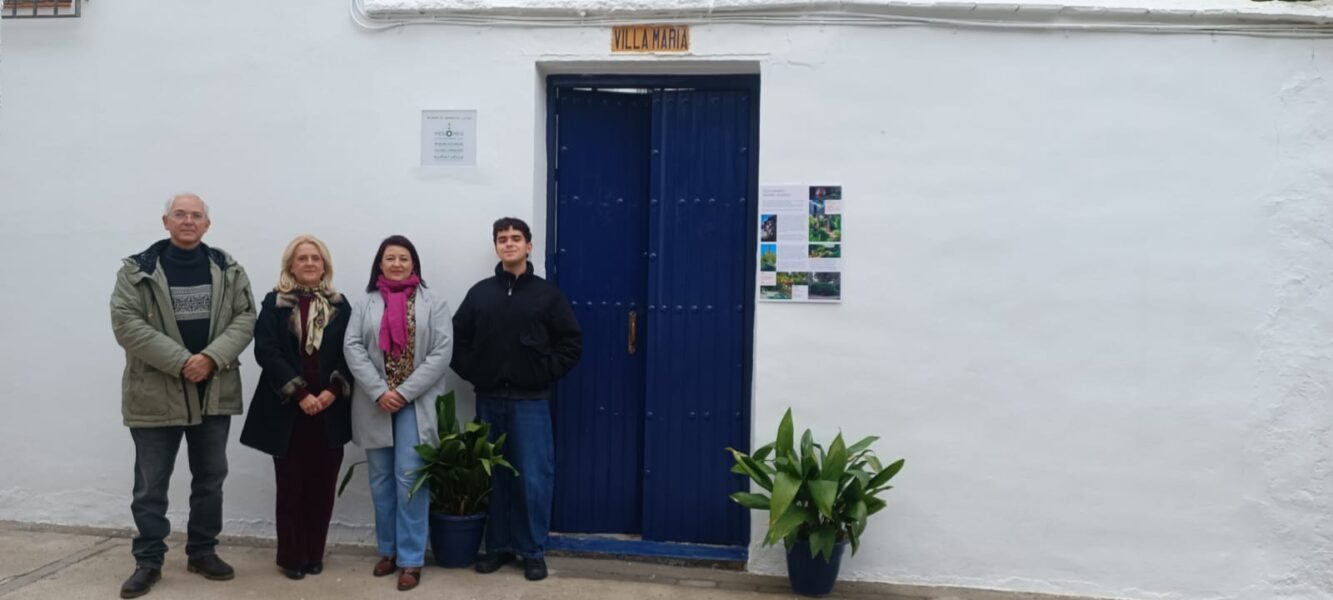
We are pleased to announce that the Villa María Jardín-Huerto Cultural Association (Alpujarra Almeriense, municipality of Canjáyar) is joining our Med-O-Med cooperation platform, Cultural Landscapes of the Mediterranean and Middle East. This membership enables the association to become part of an international network bringing together botanical gardens, centres of plant diversity and cultural landscapes from more than 23 countries, as well as joining a scientific and educational community committed to sustainability, ethnobotany and knowledge exchange.
Why Villa María Jardín-Huerto?
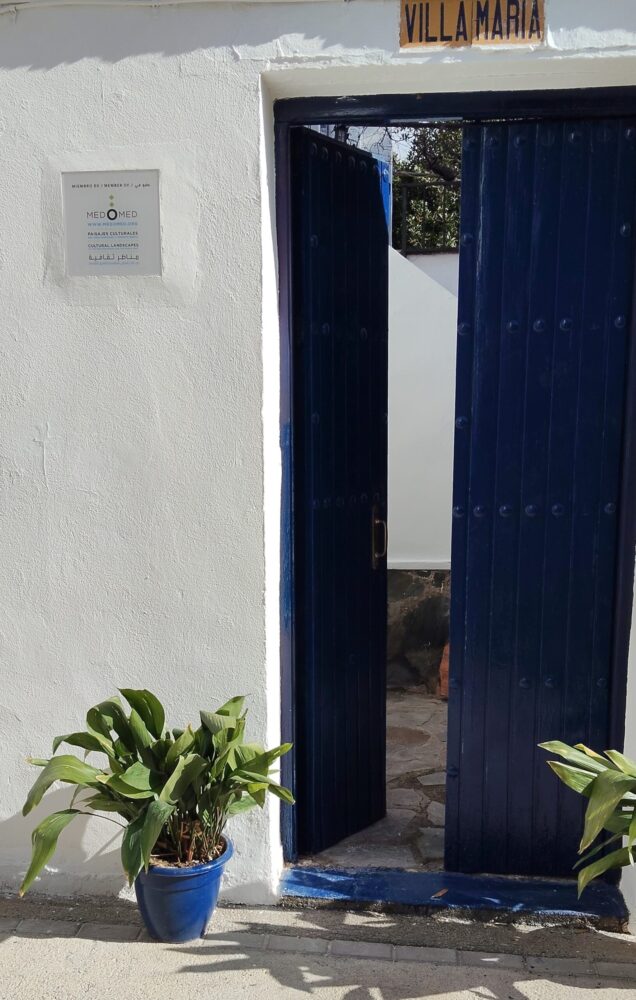 Created in 2009 by the Islamic Culture Foundation (FUNCI), the Med-O-Med network focuses on the conservation and knowledge of the cultural and natural heritage of the Mediterranean basin with the aim of raising environmental, social and developmental awareness. In this context, the objectives of the Villa María Association are fully aligned with the fundamental principles and purposes of the project. Likewise, due to the institution’s characteristics, it has been included in the inventory of ‘Centres of Plant Diversity’, hosted on this website where one can learn more about its work, active programmes and find contact details.
Villa María Jardín-Huerto is an Andalusi cultural association that owns and manages the garden-orchard, which it preserves as part of the local historical and botanical legacy. Its work combines conservation, research and heritage dissemination with cultural management to promote knowledge of the Andalusi botanical tradition and nineteenth-century gardens in the Alpujarra of Almería.
The association manages a distinctive landscaped space, conceived as a natural, cultural and educational resource, where the public can enjoy a didactic and creative experience that promotes aesthetic sensitivity, knowledge of botanical and cultural heritage, reflection on the relationship between human beings and the landscape, as well as environmental awareness.
At the same time, the garden-orchard serves as a meeting point for the local community, where species belonging to the traditional flora of the region grow, characterised by their adaptation to the Mediterranean mountain climate and their considerable historical and botanical value. In this regard, the association aspires to ‘establish itself as a sustainable cultural attraction.
The Garden-Orchard: A Characteristic Typology of the Province of Almería
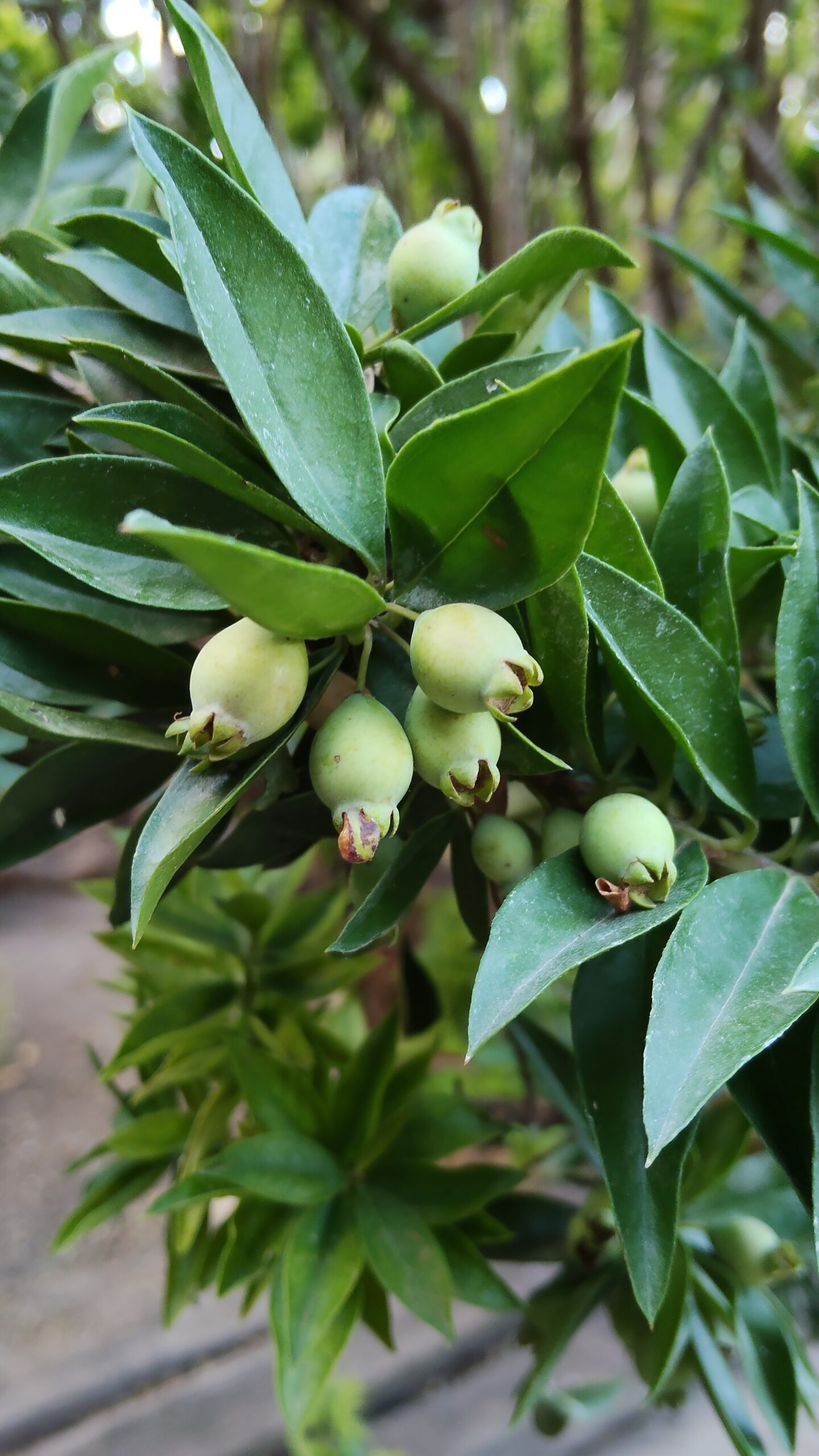 The garden-orchard, whose origins date back to the late nineteenth century, emerged as a sustainable green space aimed at the recovery and strengthening of the resilience of historical natural ecosystems present in rural urban centres. It houses a carefully selected collection of species linked to the Andalusi tradition, which are distinguished by their importance in shaping the everyday landscapes of the territory. These include agricultural, medicinal, aromatic and ornamental species, native to Andalusia or introduced from the East and Africa during the al-Andalus period, originating from the old Moorish orchard that Villa María once was. Many of them are of notable botanical significance and are nearly two centuries old, such as some specimens of Moorish myrtle, cypress, laurel or jasmine.
Furthermore, the site preserves various architectural elements characteristic of the Alpujarran legacy—marked by the Islamic past of the area—which have survived to the present day in an exceptional state of preservation. These include irrigation channels, pergolas, the courtship window and the walls that define the space. Given its typology and dimensions—covering more than 1,400 square metres—it is a unique site and the largest of its kind in the province.
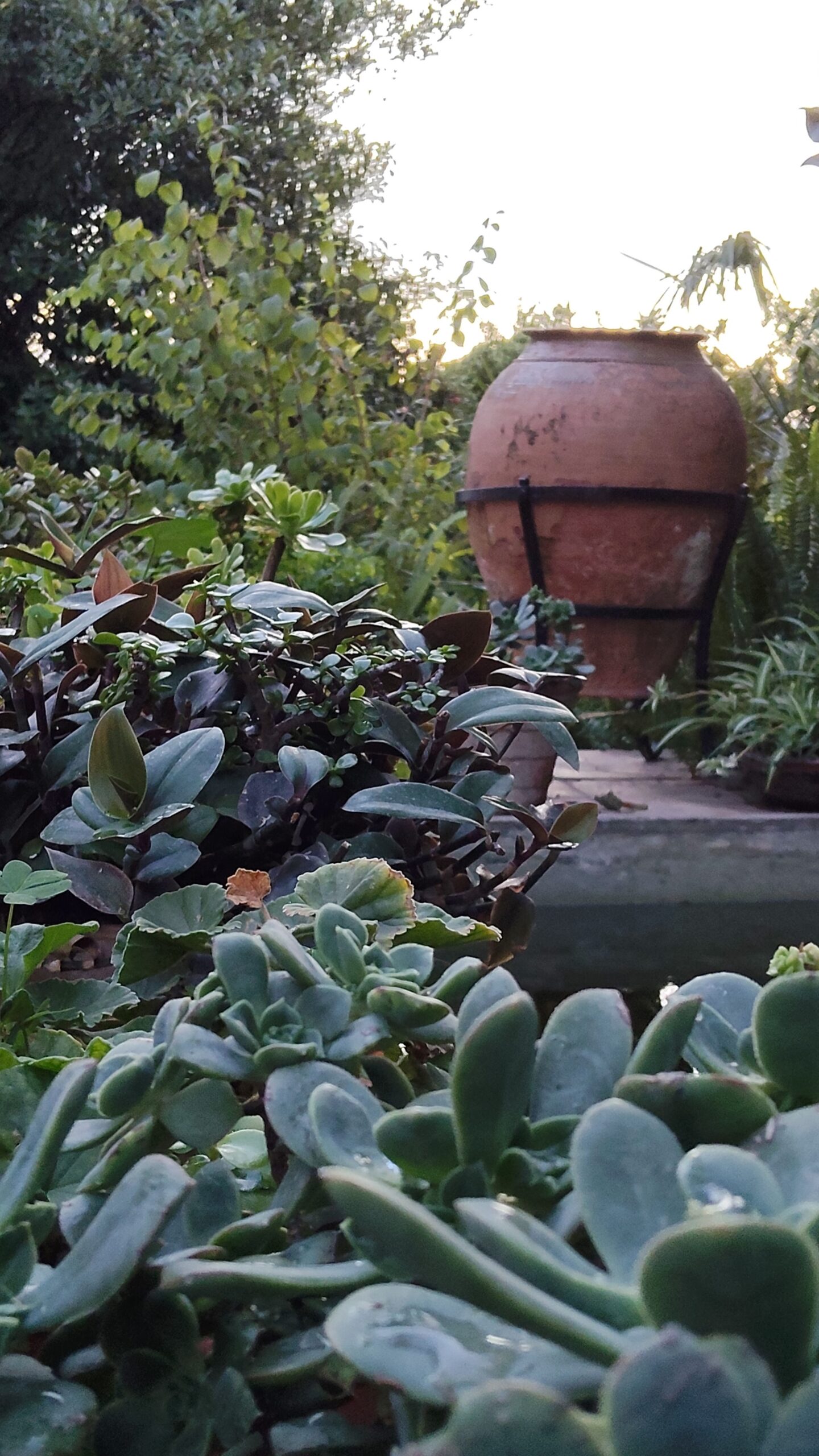 The activities and services it hosts are integrated into a project aimed at the conservation, mediation and dissemination of the environmental and cultural heritage of Canjáyar and the Lower Alpujarra region of Almería, in the Andarax Valley. This project is developed through workshops, educational programmes and artistic proposals linked to the landscape and historical memory, in collaboration with key actors such as Ayuntamiento de Canjáyar, Diputación Provincial de Almería and the Botanical Garden of the Universidad de Almería (UAL). Their involvement encourages civic participation, promotes a sustainable culture and contributes to strengthening territorial identity.
This post is available in: